Environment
A safe place to live.
Residents live in their own small home within a supervised, mentored community, close enough to support one another and far enough from old pressures to start fresh.
We are working toward a self-sustaining transitional community: a shared house, small private homes, and on-site work, built around mentorship.
A safe place to live.
Residents live in their own small home within a supervised, mentored community, close enough to support one another and far enough from old pressures to start fresh.
A plan built around the man.
Each resident's needs are assessed when he arrives (work history, transportation, debts, family, and more) and met with specific next steps rather than a one-size program.
Skills to grow, not just get by.
Life skills and hands-on job training, alongside mentors who have walked this road and community partners who know their fields.
Work that pays and builds a résumé.
On-site enterprises such as the workshop and sawmill provide hands-on training and help sustain the community, while job mentoring connects residents to employers across the Cedar Valley.
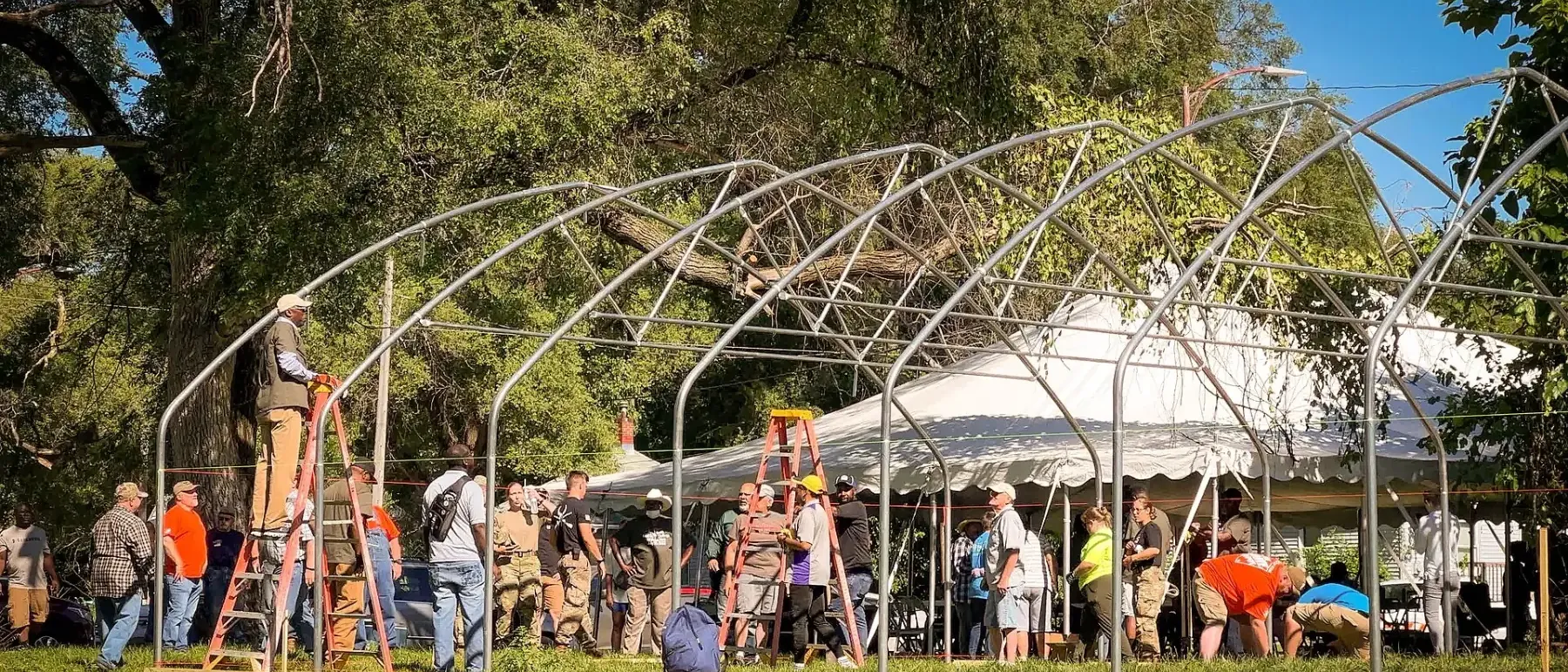
A rural property near Waterloo with room for a main house, ten tiny homes around a shared green, a workshop for job training and on-site business, and a sawmill. Living close together makes mentorship, coaching, and rides to work and appointments practical.
Along the way we have been coached by local leaders at One City United, House of Hope, and Habitat for Humanity, worked with city officials and planning and zoning, and taken part in statewide reentry gatherings.
We are not accepting residents until the first site is ready. If you are coming home soon, or you work with someone who is, leave your details and we will contact you as soon as applications open.
We use this information only to follow up with you about the program.